2 products in development — early access open

Every niche we
pick, we own.

Most sellers chase what the algorithm already found. We build a curated portfolio of high-margin, low-competition products — one validated niche at a time.

Why NicheVault

Amazon rewards precision. Most sellers enter crowded categories and compete on price until margins collapse. NicheVault targets the underserved sub-niches — specific products with real demand, fewer than 200 reviews on the top competitor, and no dominant brand holding the category.

The categories we ignore are the ones everyone is already fighting over. The categories we enter are the ones the algorithm hasn't surfaced yet. That gap is where private-label works the way it's supposed to: own the niche early, build reviews before anyone notices, and let the flywheel run.

Every product we launch goes through the same filter: high margin, low competition, a buyer who has a specific need and no great option. That is the only thesis. We have three product positions in research and development — each one in a different sub-niche, each one entering before a dominant brand forms.

What we're launching

Three niches. Zero overlap with what's already winning.

01

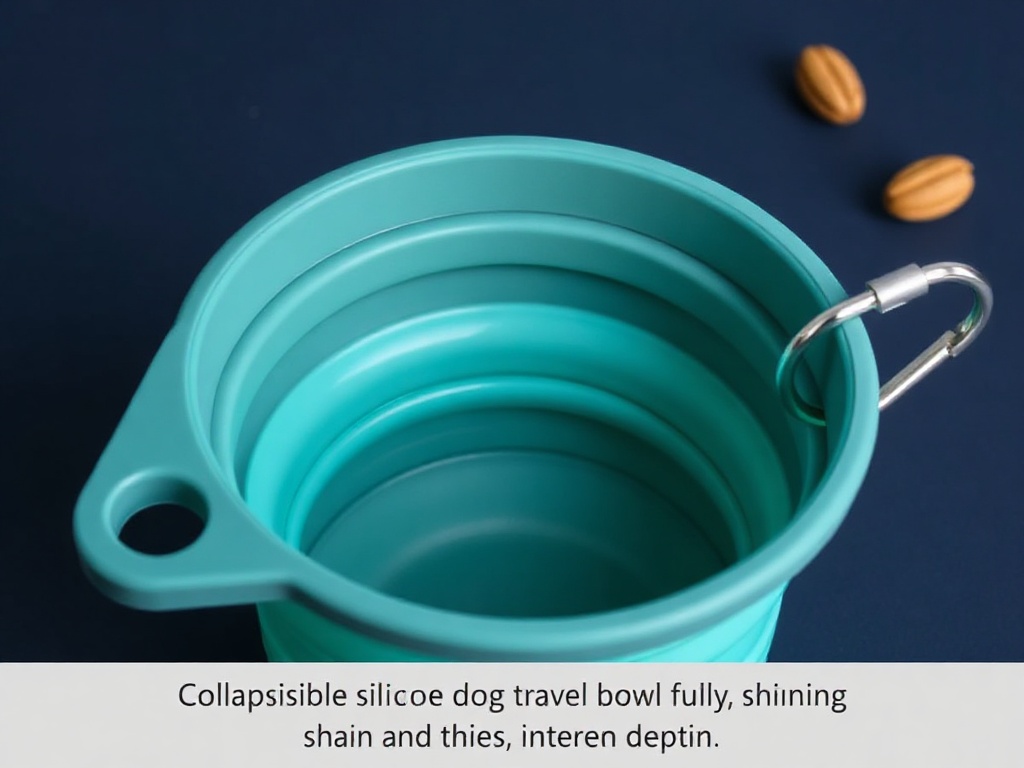
Specialty pet care accessories

A specific segment of the pet market where demand is growing fast and the top sellers are generic, low-review brands with no defensible position.

02

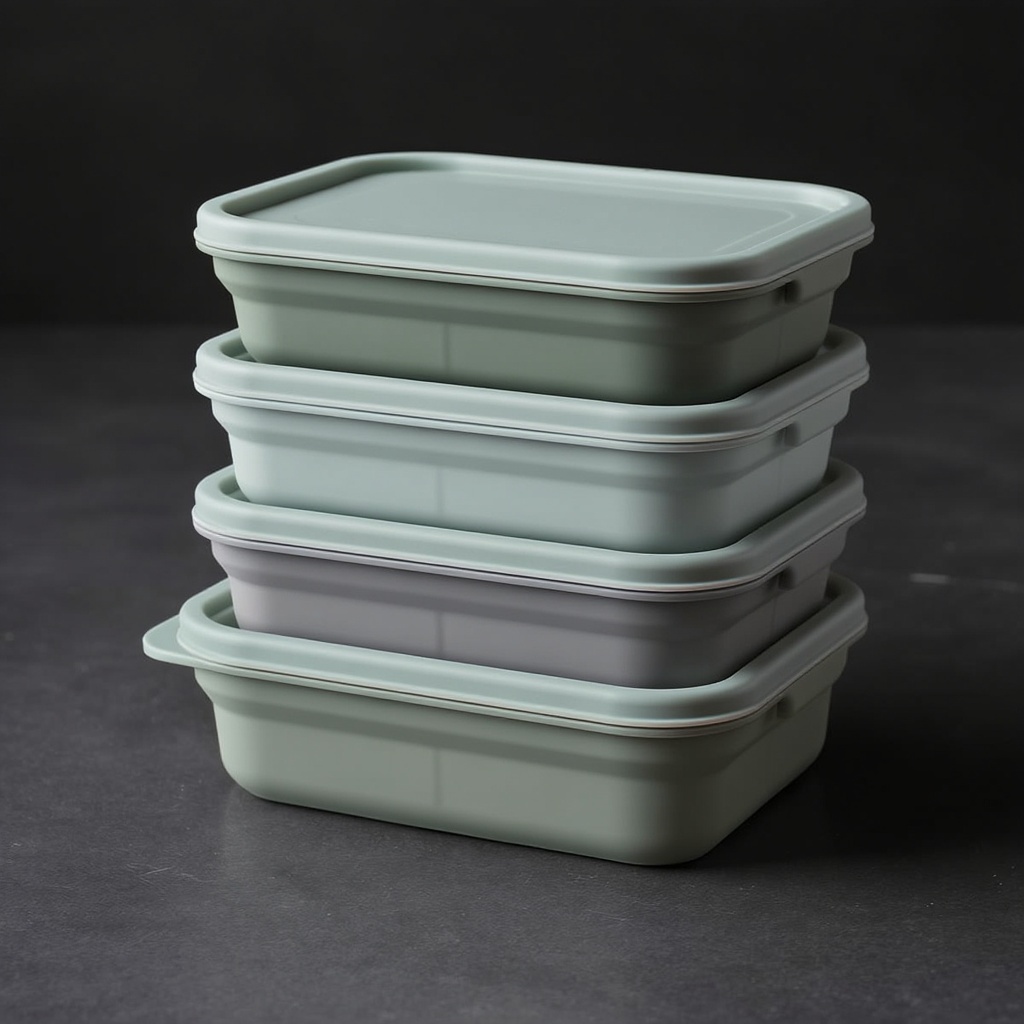
Functional home organization

A sub-niche within home goods where buyers have highly specific requirements — and current options either fail on quality or on design.

03

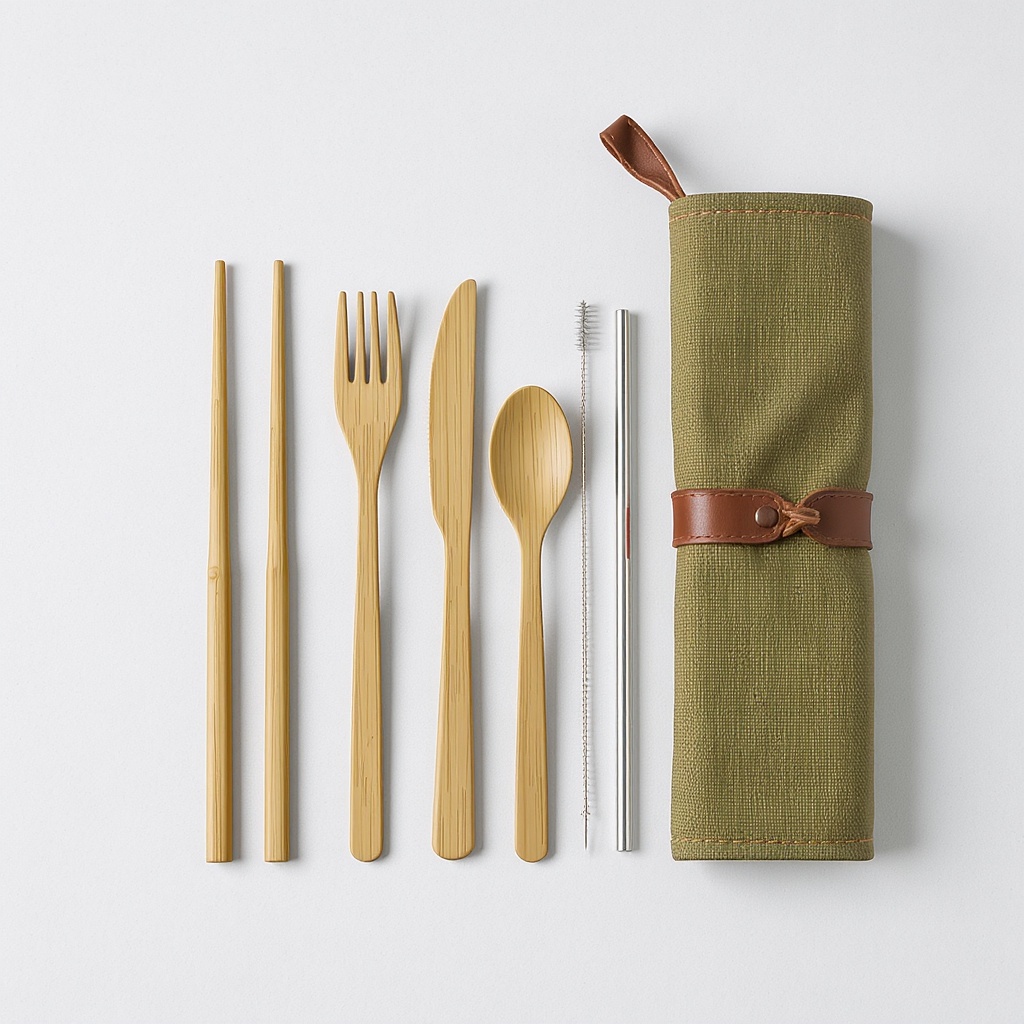
Personal care consumables

Repeat-purchase health and wellness products where brand loyalty is low, margins are high, and the category leader has weak reviews.

Specific SKUs drop to the waitlist first. Sign up above.

Why niche beats generic
60%+

The margin math works

Generic categories run 15–25% net after Amazon fees, FBA storage, and PPC. Niche products — where you're one of three sellers, not three hundred — hold 50–70% net. The less competition, the more you keep.

<200

The competition math works

We only enter sub-niches where the top competitor has under 200 reviews and no dominant brand. In those spots, a well-optimized listing ranks in weeks, not months. Entry cost is low; the moat builds fast.

Category authority compounds

Being the only serious seller in a niche means every new review, every sale, every keyword win goes to you. There's no one to split the flywheel with. Own a niche early — and it's yours.

Isn't Amazon too saturated to start now?

Amazon's overall size is overwhelming — millions of products, hundreds of competitors per category. But the saturation is concentrated in the top 20% of categories (phone accessories, generic kitchen tools). The long tail of specific sub-niches is underserved. A bamboo tongue scraper has less competition than a phone case. A scalp serum has fewer established brands than a general shampoo. The opportunity is not in the mainstream — it's in the specific.

What's the capital requirement?

We start with 1–3 SKUs at a time. Initial inventory for a single product line typically runs $500–$2,000 depending on the category and order quantity. We source from verified suppliers, starting with smaller test orders before scaling. The goal is to validate product-market fit before committing to bulk inventory.

Most Amazon sellers are racing to sell the same products to the same buyers. NicheVault takes the slower path — finding the gaps, validating carefully, and building category positions that take years to replicate.

Curated. Calculated. Compounding.